
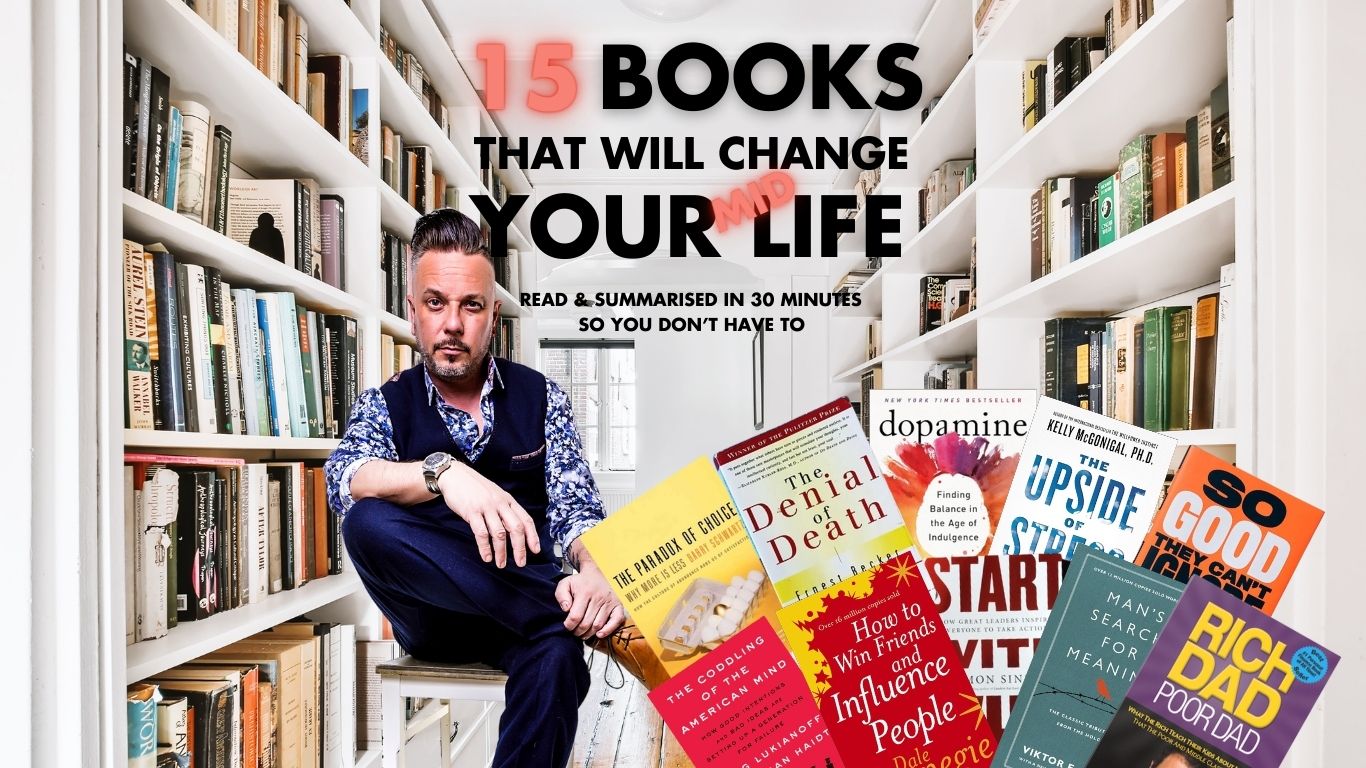
Those that know me really well, know that I consume content…good quality content…like a good bottle of Merlot with a steak…always wanting more. I read books. I watch videos. I listen to Audiobooks. I watch and listen to podcasts daily. There is so much good stuff out there that actually it’s become very clear that knowing what is good and why it’s good has become increasingly unclear.
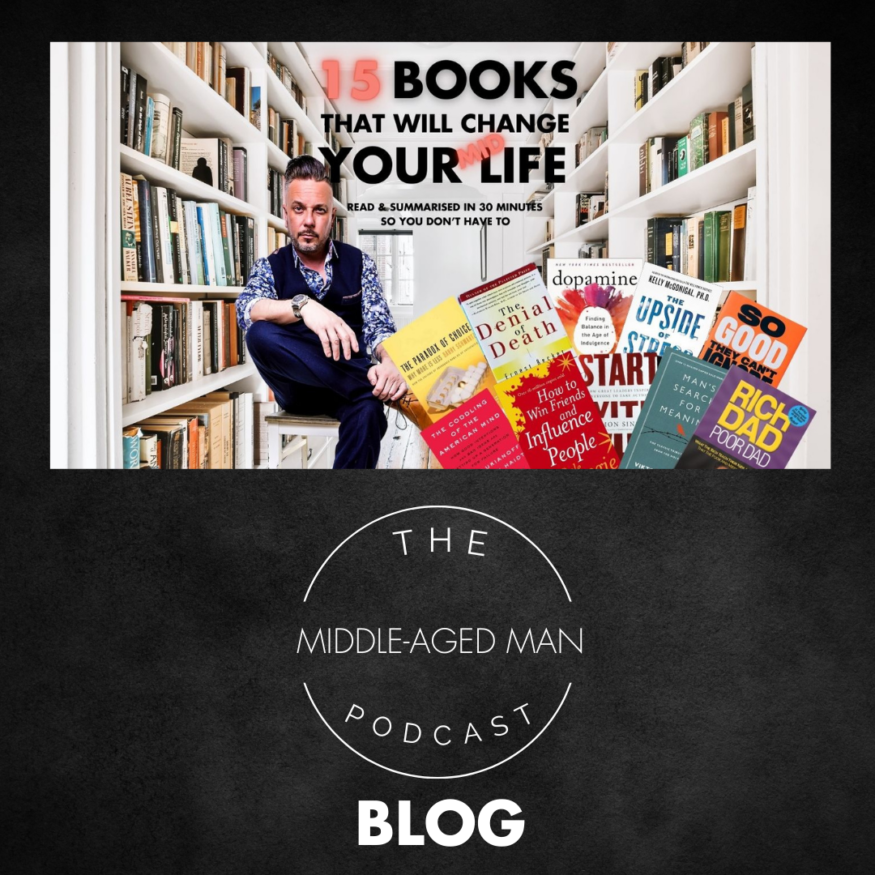
So my mid-life friends for this article I want to share with you 15 books that I not only have consumed but have taken something from and tried to put it into my daily life. But rather than just tell you the books title and the authors names, I’m going to share with you a quick summary of the book and the key things I took from it, so this almost becomes a ‘I’ve read it, so you don’t have to…’ kind of article.
Lets jump in with our first book….
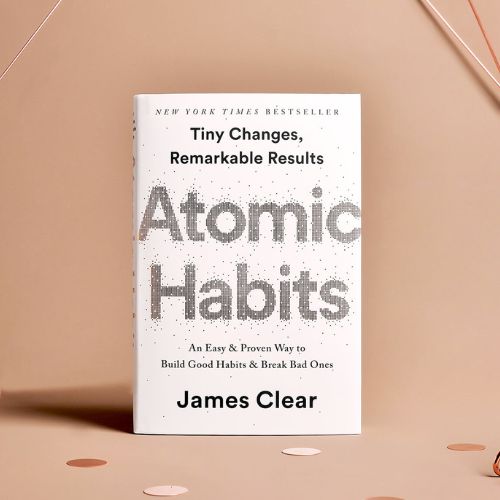
“Atomic Habits” by James Clear
Summary:
James Clear’s “Atomic Habits” emphasises the profound impact of small, incremental changes in our daily habits on achieving long-term success and transformation. Clear presents a comprehensive framework for understanding how habits form, how they can be changed, and the significance of tiny improvements.
My Takeaways:
The Compound Effect of Small Habits: One of the core principles of the book is that small changes, when compounded over time, can lead to significant outcomes. A minor positive habit, when practised consistently, can lead to substantial growth and improvement.
Focus on Systems, Not Goals: Clear argues that focusing solely on goals is not as effective as focusing on the systems and processes that lead to those goals. By improving our systems, we make progress more sustainable and consistent.
Identity-Based Habits: The book introduces the concept of identity-based habits, suggesting that lasting change is more likely when habits are tied to one’s self-identity. For example, adopting the identity of a writer can make it easier to form habits associated with writing.
The Four Laws of Behaviour Change: Clear outlines four actionable strategies for habit formation: Make it obvious, make it attractive, make it easy, and make it satisfying. These laws can also be inverted for breaking bad habits.
Environment Plays a Key Role: The environment significantly influences our habits. By altering our surroundings to make good habits more accessible and bad habits more difficult, we can steer our behaviours in the desired direction.
Habit Stacking: A practical technique offered is habit stacking, where a new habit is paired with an existing habit to increase the likelihood of the new habit sticking. This leverages the established routine to introduce new behaviours.
So my summary of “Atomic Habits” highlights its actionable insights into habit formation and the emphasis on small changes for big results. Clear’s approach provides readers with the tools to build positive habits that lead to lasting change, emphasising the importance of identity, systems, and environment in this process.
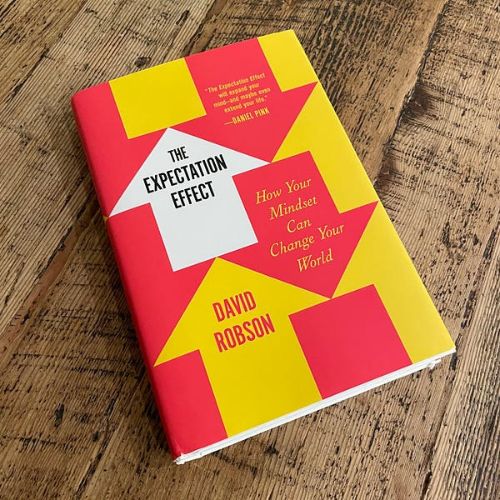
“The Expectation Effect” by David Robson
Summary:
David Robson’s “The Expectation Effect” delves into how our expectations shape our reality. The book presents a really compelling argument backed by scientific research that what we anticipate in our minds can significantly influence our physical and mental health, our success, and even our perceptions of the world around us.
Takeaways:
Mind Over Matter: One of the central themes is the power of the mind to influence our physical state. Expectations can alter our health outcomes, such as how quickly we recover from illness or respond to treatments.
Self-Fulfilling Prophecies: Robson explores the concept of self-fulfilling prophecies, demonstrating how positive or negative expectations can lead to corresponding outcomes in various aspects of life, including performance, relationships, and well-being.
The Power of Positive Thinking: The book underscores the importance of adopting optimistic and positive expectations. A positive outlook can lead to better outcomes, not because of naive optimism, but due to the real, tangible effects of our expectations on our bodies and circumstances.
Practical Applications: “The Expectation Effect” offers practical advice on how to harness the power of expectations to improve one’s life. This includes strategies for setting expectations that promote health, happiness, and success.
Challenging Negative Expectations: Robson also addresses the need to challenge and shift negative expectations that can lead to detrimental outcomes. By consciously adjusting our expectations, we can influence our reality in more positive directions.
So my summary of “The Expectation Effect” is that it emphasises its groundbreaking exploration of how our minds can shape our reality through the expectations we hold. The book is a call to recognise and utilise the power of expectation as a tool for enhancing our lives across various domains.
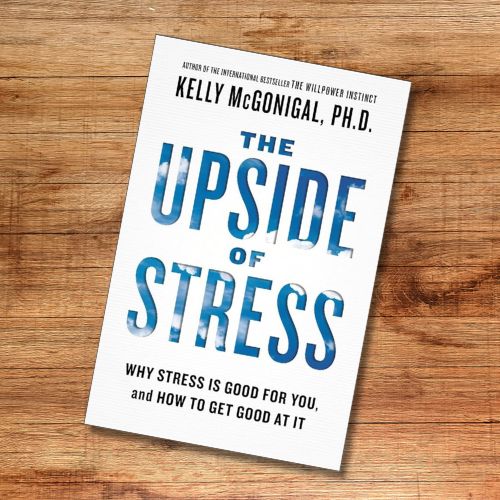
“The Upside of Stress” by Kelly McGonigal
Summary:
Kelly McGonigal’s “The Upside of Stress” challenges the prevailing view that stress is universally harmful and should be avoided. McGonigal presents research suggesting that stress, in certain contexts, can be beneficial for growth, resilience, and overall well-being. The book argues that the impact of stress largely depends on our perception of it and that by embracing stress as a positive force, we can transform our experiences with it.
Takeaways:
Reframing Stress: A major takeaway is the importance of reframing how we think about stress. Viewing stress as a helpful part of life that can enhance performance and learning leads to better health and emotional outcomes than viewing it as harmful.
Stress Can Enhance Engagement and Meaning: Stressful experiences can often lead to increased feelings of engagement, meaning, and purpose in life. Stress prompts us to engage more deeply with our tasks and challenges, fostering growth and achievement.
The Biology of Courage: The book delves into the “biology of courage,” explaining how stress responses can prepare us for challenges by making us more socially connected and mentally prepared. Stress hormones like oxytocin, dubbed the “cuddle hormone,” play a role in encouraging social behaviour and resilience.
Choosing to Grow Through Stress: McGonigal emphasises that we have a choice in how we respond to stress. By acknowledging stress and leveraging it as a tool for personal development, we can build resilience and thrive under pressure.
Social Connection as a Stress Buffer: Another key point is the role of social connection in mitigating the negative effects of stress. Reaching out to others during stressful times can provide support and strength, making us more resilient.
My summary of “The Upside of Stress” is that this book highlights its revolutionary approach to understanding and utilising stress. By shifting our mindset from avoidance to acceptance and even appreciation, we can harness stress as a force for positive change in our lives.
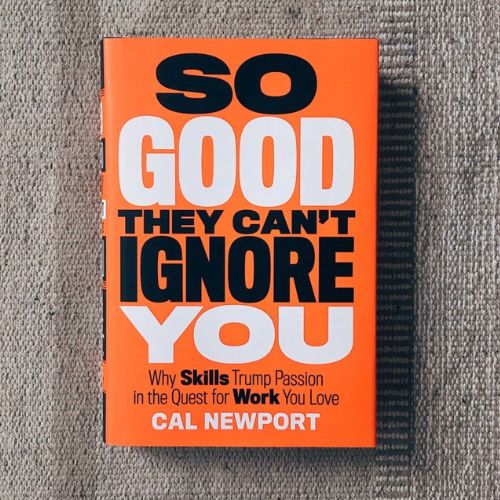
“So Good They Can’t Ignore You” by Cal Newport
Summary:
Cal Newport’s book challenges the popular advice to “follow your passion” and proposes a different approach to achieving a fulfilling career. Newport argues that passion comes from first developing mastery and expertise in a field. The book is based on the premise that skills precede passion and that by focusing on building rare and valuable skills, individuals can create a foundation for a satisfying and successful career.
Takeaways:
The Craftsman Mindset: Newport introduces the concept of the “craftsman mindset,” where the focus is on what you can offer the world rather than what the world can offer you. This mindset prioritises skill development and the quality of work over the pursuit of pre-existing passions.
Passion Follows Skill: The book argues that passion is a side effect of becoming excellent at something valuable. True passion for work often develops after an individual has invested effort into developing expertise and seeing the impact of their work.
The Importance of Career Capital: Newport discusses “career capital” as the skills and expertise that make you rare and valuable in the job market. Accumulating career capital is key to building a career you love.
The Role of Control: Gaining control over what you do and how you do it is crucial for career satisfaction. However, Newport cautions that this control must be earned through the acquisition of career capital to avoid the pitfalls of trying to gain too much autonomy too quickly, which can lead to failure.
Mission-Driven Work: The book also explores the idea that great careers have a unifying mission that provides direction. Such missions often emerge from the mastery of a field, not from pre-existing passions.
The summary of “So Good They Can’t Ignore You” emphasises the book’s counterintuitive yet evidence-based approach to building a fulfilling career. Newport’s insights challenge readers to reconsider the common narrative about passion and work, offering a more structured and skill-oriented path to career satisfaction and success.
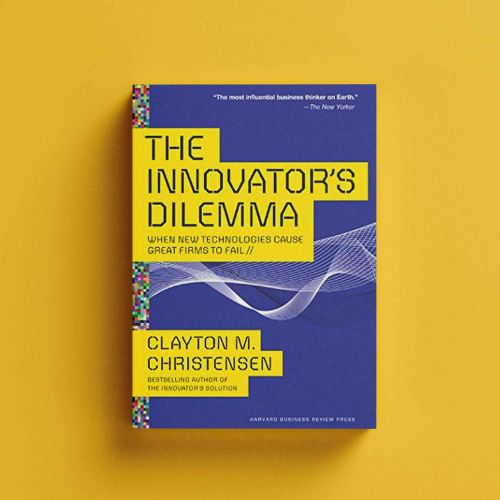
“The Innovator’s Dilemma” by Clayton Christensen
Summary:
Clayton Christensen’s “The Innovator’s Dilemma” explores the challenges that successful companies face when dealing with disruptive innovations. These innovations often start as cheaper, simpler options that initially target less demanding customers. Over time, they evolve and begin to appeal to more mainstream markets, displacing established products and companies. The dilemma lies in the fact that well-managed companies, focused on improving their products for existing customers, often overlook or dismiss these emerging innovations until it’s too late.
Takeaways:
Disruptive vs. Sustaining Technology: Christensen differentiates between sustaining technologies (which improve the performance of existing products) and disruptive technologies (which initially offer lower performance but eventually overtake the market). Understanding this difference is crucial for businesses aiming to innovate effectively.
The Risk of Overvaluing Current Customers: A key insight is that companies can become too focused on their current customers’ needs, missing out on lower-end or entirely new markets. This overemphasis on current demands can lead to missed opportunities for disruptive innovation.
The Importance of Resource Allocation: Companies often struggle to allocate resources to disruptive innovations because these projects don’t meet the initial return on investment criteria. Recognising the long-term potential of these innovations requires a different approach to evaluating and investing in new projects.
Organisational Structure and Innovation: The book suggests that a company’s structure can significantly impact its ability to pursue disruptive innovations. Often, creating separate units or teams dedicated to exploring these opportunities can help nurture and develop them without the constraints of the main business.
Strategic Flexibility: Companies need to maintain strategic flexibility to adapt to technological changes and market dynamics. This involves being open to exploring new business models and technologies that may initially seem unattractive or unrelated to their core operations.
“The Innovator’s Dilemma” underscores the book’s influence on understanding innovation and strategic business decisions. Christensen’s work has become a foundational text for leaders and entrepreneurs seeking to navigate the complex landscape of technological change and market disruption.
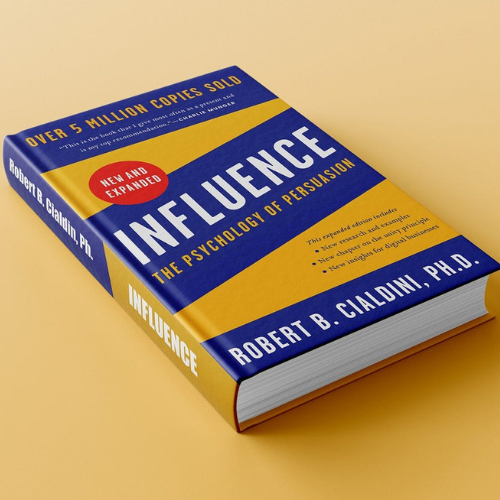
“Influence” by Robert Cialdini
Summary:
This was one of the first books I ever read when I became a coach and author and it still ranks as one of the most defining books of my career. Robert Cialdini’s “Influence” delves into the psychology of persuasion, exploring why people say “yes” and how to apply these understandings ethically. Cialdini outlines six universal principles of influence that govern human behaviour, providing insights into how these principles operate in everyday situations and how they can be used to foster mutual understanding and beneficial outcomes.
Takeaways:
Reciprocity: People feel compelled to return favours and kindnesses. Understanding this principle can help in building relationships and negotiating in both personal and professional contexts.
Commitment and Consistency: Once people commit to something, they are more likely to go through with it to remain consistent with their self-image. This principle is often used in marketing and sales strategies.
Social Proof: Individuals look to the behaviour and actions of others to determine their own. This principle is evident in trends, social media influences, and consumer behaviour.
Authority: People tend to respect and follow the lead of credible, knowledgeable experts. Establishing authority or citing authoritative sources can increase the persuasive power of your message.
Liking: People are more easily persuaded by individuals they like or find attractive. Building rapport and finding common ground are strategies that leverage this principle.
Scarcity: The perception of scarcity can generate demand, as people value things more if they believe they are rare or diminishing. Highlighting the uniqueness and limited availability of an offer can make it more appealing.
The genius of “Influence” emphasises the book’s practical relevance across various fields, including marketing, psychology, and everyday interpersonal interactions. Cialdini’s principles of persuasion offer a framework for understanding and navigating social dynamics, highlighting the importance of ethical considerations in influencing others.
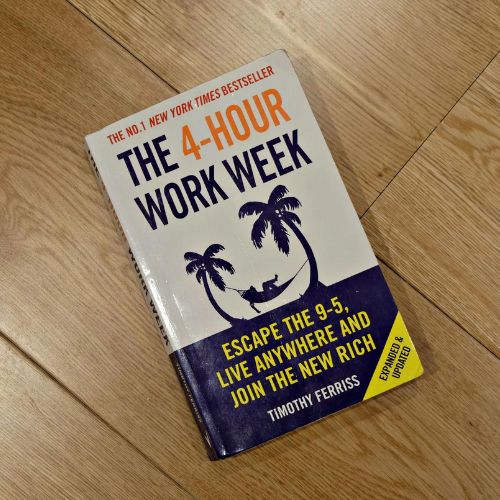
“The Four-Hour Work Week” by Tim Ferriss
Summary:
Tim Ferriss’s “The Four-Hour Work Week” challenges conventional work and lifestyle norms, proposing a radical shift towards designing a life that balances work, play, freedom, and fulfillment. Ferriss introduces the concept of lifestyle design, encouraging readers to reject the deferred-life plan of working incessantly for a future retirement. Instead, he advocates for creating an immediate life of freedom through automation, outsourcing, and prioritising.
Takeaways:
Definition of the New Rich: Ferriss defines the New Rich (NR) as individuals who abandon traditional career paths to create lives that prioritise freedom, adventure, and flexibility over steady employment and material wealth.
DEAL Formula: Ferriss outlines the DEAL formula—Definition, Elimination, Automation, and Liberation—as a framework for transitioning to a four-hour workweek. This involves redefining what is important, eliminating the unnecessary, automating income, and liberating oneself from traditional work environments.
Time and Mobility are the New Currency: The book argues that time and mobility are more valuable than traditional monetary wealth. Achieving freedom in when and where you work is presented as the ultimate goal.
Outsourcing and Automation: A key strategy in Ferriss’s approach is the outsourcing of tasks to virtual assistants and automating business processes to minimise the hands-on time required to maintain income streams.
Mini-Retirements: Instead of working towards a single, traditional retirement, Ferriss suggests taking multiple “mini-retirements” throughout life. This involves taking extended time off to pursue personal interests or travel, rather than postponing these experiences until old age.
Testing and Risk Management: The book encourages testing new business ideas with minimal risk and investment before fully committing. This lean approach to entrepreneurship and lifestyle design emphasises flexibility and adaptability.
“The Four-Hour Work Week” highlights its influence on rethinking work, success, and lifestyle. Ferriss’s book has inspired many to pursue entrepreneurship, automate their income, and prioritise personal freedom and fulfillment over conventional career trajectories.

“Dopamine Nation” by Anna Lembke
Summary:
“Dopamine Nation” explores the concept of dopamine imbalance in the context of modern society’s constant pursuit of pleasure and avoidance of pain. Anna Lembke delves into the neuroscience behind addiction and how the overstimulation from readily available rewards—such as social media, food, shopping, and entertainment—leads to dopamine overload. This creates cycles of intense pleasure followed by prolonged periods of discomfort, contributing to the addiction loop.
Takeaways:
Dopamine and Addiction: The book establishes a clear link between dopamine, the neurotransmitter associated with pleasure and reward, and the mechanism of addiction. It explains how excessive stimulation leads to adaptations in the brain that set a new normal, requiring ever more stimulation to achieve the same level of satisfaction.
Beyond Substances: Lembke expands the definition of addiction to include behaviors and digital interactions, suggesting that our environment is filled with “drug-like” experiences that can lead to dopamine imbalance and addiction.
The Cost of Constant Pleasure: A critical takeaway is the societal and personal cost of living in a state of constant pleasure-seeking. The pursuit of immediate gratification can lead to significant mental health issues, including addiction, depression, and anxiety.
Finding Balance: The book offers strategies for managing dopamine levels and finding balance in a world saturated with addictive stimuli. This includes setting limits on exposure to digital devices, engaging in activities that provide a more sustained and fulfilling sense of reward, and practicing moderation.
The Importance of Discomfort: Lembke argues for the value of experiencing discomfort and withdrawal as a pathway to resetting dopamine levels and enhancing the capacity for joy in everyday activities. Learning to embrace discomfort can lead to a more balanced and satisfying life.
“Dopamine Nation” highlights its significant contribution to understanding the science of addiction and the impact of our pleasure-seeking culture. The book serves as a wake-up call to recognise the pervasive nature of addiction in modern life and provides practical advice for seeking more meaningful and balanced ways of living.
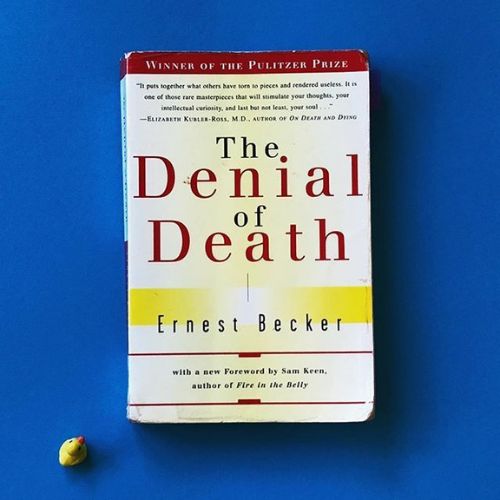
“The Denial of Death” by Ernest Becker
Summary:
Ernest Becker’s book is a deep dive into the idea that the fear of death fundamentally influences human behaviour and societal structures. Becker proposes that much of human action is undertaken to avoid the realisation of our mortality, through what he terms “immortality projects” – endeavours, whether through achievements, relationships, or creations, that allow us to feel part of something enduring beyond our physical existence.
Takeaways:
Immortality Projects: Understanding these can help us comprehend the motivations behind various human activities, from the pursuit of fame and legacy to the creation of art and science. It’s a lens through which to view our drive for meaning.
Confrontation with Mortality: Acknowledging our mortality can lead to existential anxiety, but Becker suggests that facing this fear directly can also lead to a more authentic and meaningful life. It forces us to prioritise what genuinely matters.
Cultural Impact: Societies and cultures can be seen as collective immortality projects, providing shared beliefs and values that offer symbolic life after death. This perspective helps explain the power of cultural narratives and the resistance to challenges against them.
Personal Growth and Compassion: Recognising the denial of death in ourselves and others can foster empathy and understanding. It highlights the shared human condition and can motivate us to live more fully and compassionately.
Seeking Meaning: Becker’s work implies that a meaningful life is not necessarily about denying death but finding a way to live with the knowledge of mortality in a way that enriches our existence.
“The Denial of Death” emphasises its profound impact on understanding human motivation, the quest for legacy, and the psychological mechanisms we employ to cope with the inevitability of death. It’s a call to introspection and living a life aligned with deeply held values.
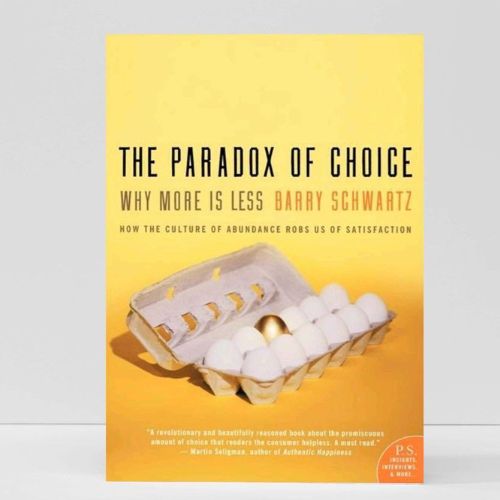
“The Paradox of Choice” by Barry Schwartz
Summary:
Barry Schwartz’s book delves into how the abundance of choice in modern society, while seemingly beneficial, can actually lead to greater anxiety, indecision, and dissatisfaction. The paradox lies in the fact that more options do not always equate to more happiness and can, in fact, make us feel less satisfied with our decisions.
Takeaways:
Choice Overload: An excess of options can overwhelm us, making decision-making more difficult and stressful. This overload can lead to paralysis and regret.
Satisfaction Decline: With more choices, our expectations rise, which can make the selected option seem less satisfactory. We often wonder if another choice would have been better.
Maximisers vs. Satisficers: Schwartz distinguishes between maximisers, who always aim to make the best possible choice, and satisficers, who look for options that meet their criteria and are good enough. Satisficers tend to be happier and less burdened by regret.
Reducing Choices Can Increase Happiness: Limiting our options voluntarily can lead to greater satisfaction. This doesn’t mean eliminating choice entirely but finding a balance that reduces stress and increases contentment.
Gratitude and Expectations Management: Focusing on gratitude for what we have, rather than always seeking something better, can mitigate the effects of the paradox of choice. Managing our expectations helps in appreciating our decisions more fully.
“The Paradox of Choice” underscores the importance of understanding how our modern environment of abundant choice affects our psychological well-being. It encourages us to reconsider our approach to decision-making, aiming for a balance that promotes happiness and satisfaction.
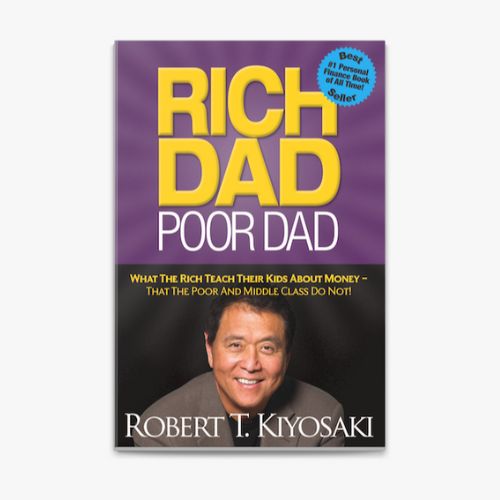
“Rich Dad Poor Dad” by Robert Kiyosaki
Summary:
“Rich Dad Poor Dad” contrasts the financial philosophies of Kiyosaki’s two fathers: his biological father (the “Poor Dad”) and the father of his best friend (the “Rich Dad”). Through these contrasting viewpoints, Kiyosaki discusses the importance of financial education, the difference between assets and liabilities, and the value of investing and entrepreneurship over traditional employment.
Takeaways:
Financial Mindset: The book highlights the fundamental difference in mindset towards money between the rich and the poor. The “Rich Dad” mentality focuses on acquiring assets that generate income, whereas the “Poor Dad” perspective emphasises earning and saving money from a job.
Financial Education: One of Kiyosaki’s main arguments is that the school system does not teach children about money effectively, leading to widespread financial illiteracy. He advocates for self-education in finances, investing, and the principles of wealth building.
Assets vs. Liabilities: A critical distinction made in the book is between assets (things that put money in your pocket) and liabilities (things that take money out of your pocket). Understanding and applying this distinction is key to building wealth.
Making Money Work for You: The book encourages readers to find ways to make their money work for them, rather than working for money. This involves investing in assets such as real estate, stocks, and businesses that can generate passive income.
Entrepreneurial Spirit: Kiyosaki promotes the idea of entrepreneurial endeavours as a path to financial independence. He argues that creating and owning businesses is a more effective way to achieve wealth than being an employee.
“Rich Dad Poor Dad” brings to light the book’s challenge to conventional wisdom about work, money, and education. It’s praised for encouraging individuals to take control of their financial future by focusing on financial education, investment, and the pursuit of financial independence.
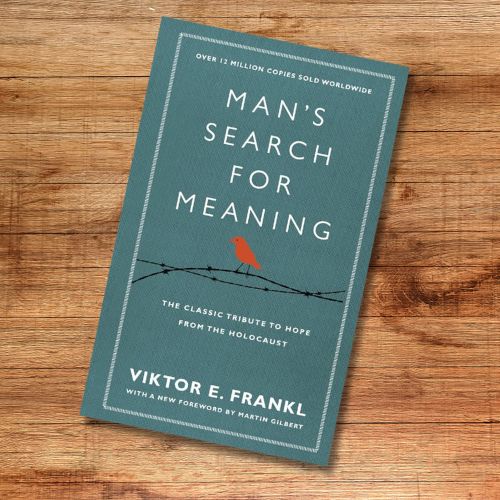
“Man’s Search for Meaning” by Viktor Frankl
Summary:
Viktor Frankl’s seminal work combines his experiences as a Holocaust survivor with his professional insights as a psychiatrist to explore the profound quest for meaning under the most harrowing circumstances. Frankl posits that even in extreme suffering, humans can find reasons to live, and these reasons give us strength.
Takeaways:
Search for Meaning: Central to Frankl’s thesis is the idea that the primary drive in human life is not pleasure (as Freud suggested) or power (as Adler suggested), but the pursuit of what Frankl calls “meaning.” Life’s meaning comes from engaging in work that feels significant, experiencing love, and adopting attitudes toward unavoidable suffering that transform it into an achievement.
Suffering with Purpose: Frankl observes that people who had a purpose or a deep sense of meaning in life were more likely to survive the concentration camps. This observation underpins his therapeutic method, logotherapy, which focuses on finding personal meaning in life as the key to psychological well-being.
Freedom of Choice: A profound takeaway from Frankl’s experiences is the realisation that, despite external circumstances, individuals always retain the freedom to choose their attitudes toward those circumstances. This internal freedom cannot be taken away and is a source of strength and resilience.
Existential Vacuum: Frankl discusses the modern issue of the “existential vacuum,” a sense of meaninglessness that many people feel in contemporary society. He suggests that this vacuum can lead to depression, aggression, and addiction, and that finding personal meaning is crucial for mental health.
Logotherapy Principles: The book outlines the principles of logotherapy, a form of existential analysis that Frankl developed. Logotherapy helps individuals identify their unique meaning in life, which can aid in overcoming existential despair and achieving psychological healing.
“Man’s Search for Meaning” emphasises Frankl’s profound insight that the pursuit of meaning is what gives life its value, especially in the face of suffering. Frankl’s book offers not just a testament to the resilience of the human spirit but also practical guidance for finding purpose and fulfillment in life.
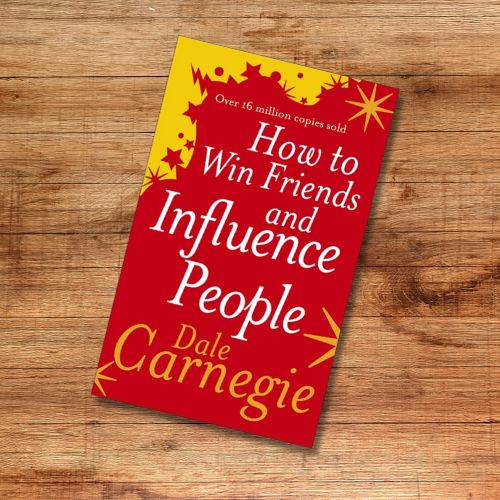
How to Win Friends and Influence People” by Dale Carnegie
Summary:
Yeah, this one was always going to be on the list, wasn’t it? Dale Carnegie’s classic self-help book provides timeless wisdom on how to interact with others in a way that is respectful, engaging, and influential. Through a series of principles, Carnegie offers advice on understanding people, improving social skills, winning others over, and ultimately influencing people without coercion or manipulation.
Takeaways:
The Importance of Genuine Interest: One of the core principles is the importance of genuinely being interested in other people. Showing authentic interest in others’ thoughts, feelings, and experiences can lay the foundation for strong relationships.
Remembering Names: Carnegie emphasises the significance of remembering and using people’s names during conversations. A person’s name is, to that person, the sweetest sound in any language. It shows respect and appreciation for the individual.
Listening and Encouraging Others to Talk About Themselves: Effective communication is more about listening than talking. Encouraging others to talk about themselves creates a sense of importance and value in the speaker, fostering goodwill and rapport.
Avoiding Criticism and Complaints: Carnegie advises against criticising, condemning, or complaining as these actions only generate resentment. Instead, understanding and empathising with others’ viewpoints can open doors to influence.
The Power of Praise: Genuine appreciation and encouragement are highlighted as powerful tools for positive influence. Recognising others’ contributions and strengths can motivate them and strengthen bonds.
Leading with Questions Instead of Direct Orders: Influencing behaviour is more effectively done by asking questions that lead the person to the conclusion themselves, rather than by direct orders. This approach respects the other’s autonomy and encourages cooperation.
The Impact of a Positive Attitude: Maintaining a positive and friendly attitude, even in challenging situations, can significantly influence the outcome of interactions and negotiations.
“How to Win Friends and Influence People” underscores the book’s enduring relevance in personal and professional development. Carnegie’s principles, based on respect, empathy, and genuine interest, serve as a guide for building better relationships and positively influencing those around us.
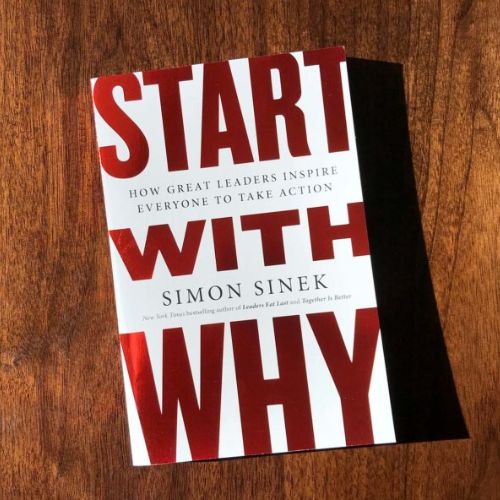
“Start With Why” by Simon Sinek
Summary:
Simon Sinek’s book centres on the idea that successful individuals and organisations are those that start by asking “why” — that is, understanding the purpose, cause, or belief that inspires them to do what they do. Sinek introduces the “Golden Circle” model, which consists of three layers: Why (the core belief), How (the process), and What (the product).
Takeaways:
The Power of Purpose: The central takeaway is the significance of understanding and articulating the underlying purpose or belief behind an action or organisation. This purpose is what attracts and motivates the right kind of employees, customers, and followers.
The Golden Circle: Sinek’s model emphasises starting with “Why” (the purpose), then moving to “How” (the process or unique selling proposition), and finally “What” (the product or service). Most organisations operate from the outside in (starting with “What”), but the most inspiring start from the inside out (starting with “Why”).
People Buy ‘Why’ You Do It: The book illustrates that people don’t buy what you do; they buy why you do it. This is why organisations that have a clear, compelling “why” tend to outperform those that don’t. It’s not just about the product but about the purpose behind it that resonates with people.
Inspiring Leadership: Leaders who are clear about their “why” are better able to inspire action and loyalty from others. This clarity allows for a stronger connection with others who share or believe in the same purpose.
Start With Why in Personal Life: While the book focuses on leaders and organisations, the concept of starting with “why” is also applicable to individuals in their personal and professional lives. Understanding your own “why” can provide clarity, motivation, and direction.
“Start With Why” highlights its impactful message on the importance of purpose-driven leadership and decision-making. Sinek’s insights encourage both individuals and organisations to discover and articulate their “why” to inspire and attract commitment and success.
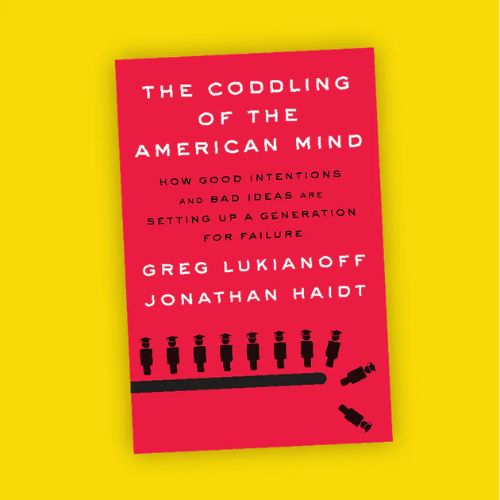
“Coddling of the American Mind” by Jonathan Haidt and Greg Lukianoff
Summary:
Haidt and Lukianoff analyse the rise of emotional fragility and intolerance for differing viewpoints, particularly in American universities. They attribute this trend to several societal shifts, including overprotective parenting, the proliferation of safetyism (prioritising safety over exploration and learning), reduced free play among children, and the impact of social media. These factors, they argue, contribute to a generation less resilient and more susceptible to mental health issues.
Takeaways:
Three Great Untruths: The authors identify what they call the “Three Great Untruths” that have become increasingly prevalent in society: the untruth of fragility (what doesn’t kill you makes you weaker), the untruth of emotional reasoning (always trust your feelings), and the untruth of us vs. them (life is a battle between good people and evil people). These beliefs are argued to undermine resilience, critical thinking, and community.
Importance of Exposure to Challenges: Contrary to the untruth of fragility, the book argues for the developmental importance of exposure to challenges, risks, and even failures. Such experiences are crucial for building resilience and psychological robustness.
Critical Thinking and Debate: The authors emphasise the value of engaging with opposing viewpoints and the dangers of intellectual homogeneity. They suggest that true learning and understanding require exposure to a range of perspectives and the ability to debate and reason through disagreement.
Impact of Social Media: Haidt and Lukianoff discuss how social media exacerbates mental health issues, particularly among adolescents. The platforms can promote comparison, cyberbullying, and echo chambers that reinforce the Three Great Untruths.
Recommendations for Change: The book provides recommendations for educators, parents, and society at large to counteract these trends. These include fostering independence in children, promoting exposure to different viewpoints in education, and encouraging habits that support mental well-being.
“Coddling of the American Mind” underscores its critical examination of cultural trends affecting mental health, resilience, and intellectual freedom. The book serves as a call to action to foster a more robust and open-minded generation.