There’s this uncomfortable moment — just after you take a stand — when the world doesn’t erupt into applause, justice doesn’t come riding in on a white horse, and no one hands you a “Well Done for Speaking Up” badge.
Instead, you get… a holding letter.
You get vague references to “a broader investigation,” generic thanks for your “courage,” and the kind of sentiment that sounds like it was written by ChatGPT with its empathy settings dialled slightly too low.
And yet – I’m still glad I spoke up.
It’s funny isn’t it?
I once worked in a place that literally housed people who had nowhere else to go.
Young people with broken pasts, uncertain presents, and (if we got it right) better futures. We helped them find roofs over heads, skills under belts, and purpose in places where no one had ever handed them one before.
But inside that same organisation, the cracks ran deep. Not in the mission – that was rock solid. But in the culture. In the way people were treated. In the way difficult personalities were enabled, and challenging voices were muffled.
Including mine.
I’m not perfect. But I am principled.
I won’t pretend I was universally loved. I was loud, occasionally sarcastic, enthusiastic to a fault, and allergic to meetings that could’ve been emails. But I showed up – for the mission, for the wider team, for the people we were trying to help.
And when I saw, heard and experienced things that didn’t sit right – things that contradicted the values we said we stood for – I raised them.
That, as it turns out, is sometimes enough to become a problem.
A system designed for silence
Grievance processes are supposed to be about resolution. But sometimes they feel more like waiting rooms – doors that close gently behind you while the organisation moves on ahead. Don’t get me wrong. I’m not bitter. In fact, I’m deeply proud that my formal grievance was at least taken seriously enough to trigger a wider review.
But let’s be honest here: It shouldn’t take a formal complaint to make people feel safe, heard, or respected at work.
It shouldn’t take a sub-committee to decide that a working environment should live up to the values painted on the office walls, in their brochures, their reports or their letter heads.
So why speak up at all?
Because the alternative is worse.
Because staying silent means becoming complicit in something that’s quietly eating away at some really good people.
Because culture is not defined by vision statements or someones ego. It’s defined by what people get away with – and what they don’t.
What happens next?
Honestly? I don’t know what will come of the investigation. I’ve been told I may not need to offer any more input. Whether I’ll even receive a formal response to my own grievance remains unclear.
But I do know this: I’m moving on — not just from something, but towards something else.
A different kind of work. A different way of helping. A different version of myself that doesn’t shrink to fit systems that reward silence.
To anyone reading this who’s felt the same…
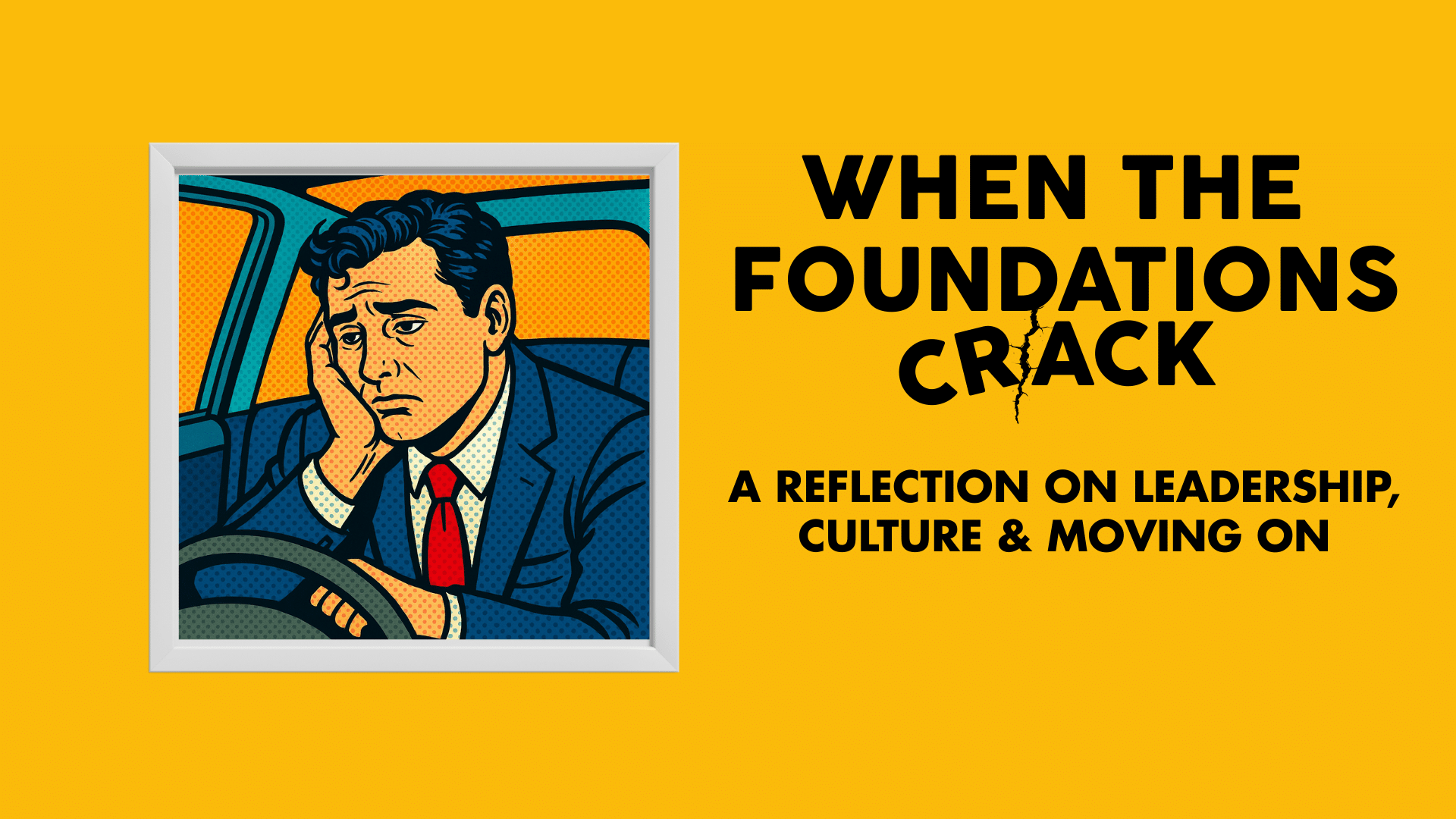
If you’ve sat in your car in the morning dreading going in.
If you’ve wondered if it’s you. (It’s not.)
If you’ve written, deleted, rewritten, and finally sent that one brave email…
You’re not alone.
You’re not weak.
And while you might not get the justice you hoped for, you will get something else:
Your self-respect back.
Thanks for reading.
I’ll keep showing up. Not for the systems. But for the people.
And for the record – my badge for speaking up never came in the post. So I made my own.
It says: “Didn’t go quietly.”