This week marks ‘Loneliness Awareness Week.” In today’s fast-paced world, alarmingly loneliness is becoming a growing concern, silently creeping into the lives of many men in their throws of mid-life. While we often associate loneliness with the elderly thanks to day-time TV adverts and the insistence of mainstream media shoving it down our throats at Christmas, middle-aged men are increasingly facing this hidden struggle and it’s a killer. Despite their outward appearances of strength and stability, many men in their mid-life grapple with profound feelings of stress, sadness, anxiety, and even hopelessness.
The importance of focusing on middle-aged men cannot be overstated. Society expects us to be the pillars of strength, yet these same expectations can isolate us. We may find it difficult to express our vulnerabilities, leading to a silent battle against loneliness. In this article, I want to explore the very real emotional turmoil that accompanies loneliness for middle-aged men, shedding light on an issue that is often overlooked. Through a sensitive and self-deprecating lens, I want to break the stigma and encourage more open conversations about this pervasive issue.
Understanding Loneliness
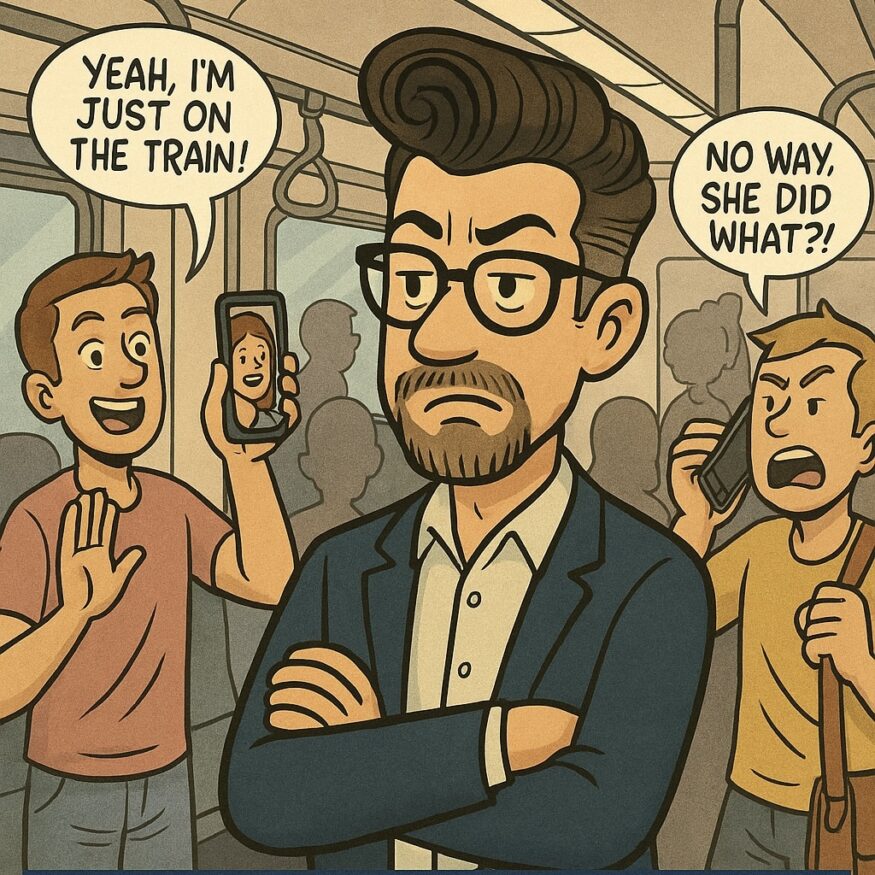
Loneliness, often mistaken as merely being ‘alone’, is actually a deep emotional state where someone feels disconnected from others, even when surrounded by people. This became truly apparent for me last year. During a very upsetting time for me personally, I often found myself in places where there were lots and lots of people, but just felt empty and on my own. It wasn’t about the quantity of social interactions but rather the quality and emotional satisfaction derived from them. On the other hand, social isolation refers to the physical absence of social contact and is often a contributing factor to loneliness but not synonymous with it.
For middle-aged men, this distinction is crucial. They might have a bustling workplace or a busy family life yet they still feel profoundly lonely. Studies show that loneliness affects nearly 25% of men aged 45 to 65, a shocking statistic that underscores the silent epidemic sweeping through this demographic. These men face unique pressures—career plateauing, children leaving home, or strained relationships—exacerbating their isolation.
Understanding this silent killer in mid-life men is the first step toward addressing the stress, sadness, anxiety, embarrassment, and hopelessness it brings. By acknowledging these feelings openly, we can hopefully begin to break the stigma and offer support where it’s desperately needed.
Causes of Loneliness in Middle-Aged Men
The loneliness haunting middle-aged men often stem from a mix of societal expectations and personal upheavals. Society pressures men to be unwavering pillars of strength, discouraging any admission of vulnerability. This expectation can lead to a sense of isolation, as men feel they must hide their true emotions; because that’s what we’ve always been told.
Changes in family dynamics, such as divorce, separation and relationship breakdowns or children leaving home for the first time, also play a significant role. The once vibrant household can suddenly feel empty, intensifying feelings of loneliness and loss. Similarly, work-related stress and job instability add to the burden. As careers plateau or job security wanes, men may grapple with a diminished sense of purpose and self-worth.
Diminishing social circles further compound the issue. Friendships often take a backseat to career and family responsibilities, and maintaining connections becomes increasingly challenging. The result is a perfect storm of stress, sadness, anxiety, and embarrassment, leaving many middle-aged men feeling hopelessly alone.
By recognising these causes, we can better understand and address the silent, lonely killer affecting so many men in mid-life, offering a path toward healing and connection.
Psychological and Physical Impact
Loneliness in middle-aged men isn’t just an emotional burden; it has profound psychological and physical impacts. Mentally, chronic loneliness can lead to severe depression and anxiety, trapping men in a cycle of hopelessness and stress. These feelings often go unspoken, as men might feel embarrassed to seek help, worsening their mental health over time.
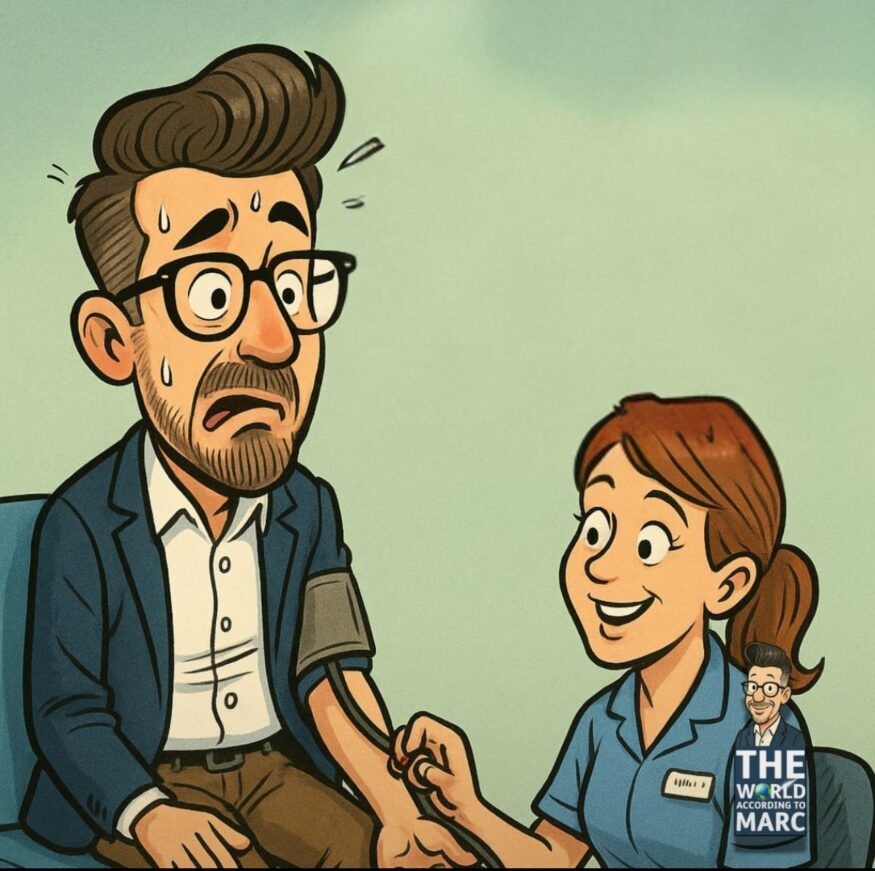
Physically, the consequences are just as dire. Loneliness has been linked to cardiovascular diseases and a weakened immune system, making middle-aged men more susceptible to illnesses. The constant stress and anxiety can elevate blood pressure, increasing the risk of heart attacks and strokes.
Cognitively, loneliness can accelerate decline and memory issues. Studies show that persistent loneliness can impair cognitive functions, leading to problems with memory and decision-making. This decline not only affects daily life but also contributes to a sense of frustration and helplessness which only exacerbates an already dangerous emotional state.
Understanding these impacts highlights the urgency of addressing loneliness among middle-aged men. By breaking the silence and fostering open discussions, we can help mitigate these severe effects and offer paths to better mental and physical health.
Social and Economic Consequences
Loneliness in middle-aged men extends beyond personal suffering, significantly impacting social and economic spheres. Productivity and work performance often take a hit, as loneliness fuels stress, anxiety, and depression. These mental health struggles can lead to increased absenteeism and reduced efficiency, creating a ripple effect that affects entire teams and organisations.
Healthcare systems also feel the strain. The physical health consequences of loneliness, such as cardiovascular issues and weakened immune systems, lead to more frequent medical visits and treatments. This increased demand places additional pressure on already burdened healthcare resources.
Economically, the costs associated with mental health treatments and absenteeism are substantial. Companies face lost productivity, higher healthcare expenses, and the potential for increased turnover as employees struggle to cope with their emotional and physical health. The broader economy suffers too, as the cumulative effect of these issues reduces overall economic output and increases social welfare costs.
Addressing loneliness in middle-aged men isn’t just about improving individual lives; it’s about mitigating significant social and economic impacts. By fostering support and understanding, we can alleviate these broader consequences and create a healthier, more productive society.
Coping Mechanisms and Support Systems
Combatting loneliness in middle-aged men requires proactive coping mechanisms and robust support systems. Fostering social connections is crucial; building and maintaining relationships can alleviate feelings of isolation. Simple actions like reconnecting with old friends, joining clubs, or participating in social events can make a significant difference.
Therapy and counselling play a vital role in addressing the mental health aspects of loneliness. Professional guidance can help men navigate their feelings of stress, sadness, and anxiety, providing strategies to manage these emotions effectively. Therapy also offers a safe space to discuss vulnerabilities without fear of judgment.
Community programs and support groups offer additional layers of support. These platforms provide opportunities to meet others facing similar challenges, creating a sense of camaraderie and mutual understanding. Engaging in community activities can also instill a sense of purpose and belonging.
Lastly, hobbies and interests are essential for mental well-being. Pursuing activities that bring joy and fullfillment can distract from feelings of loneliness and build self-esteem. Whether it’s sports, arts, or any other passion, hobbies offer a constructive outlet for emotions.
By embracing these coping mechanisms and support systems, middle-aged men can better navigate the complexities of loneliness and find paths to healthier, more connected lives.
Solutions and Recommendations
Addressing the silent and lonely killer in mid-life men requires comprehensive solutions and proactive recommendations. Encouraging open conversations about loneliness and mental health is a crucial first step. Breaking the stigma surrounding these topics can help men feel more comfortable seeking support and sharing their experiences.
Workplace initiatives to promote social well-being can also make a significant impact. Employers should foster environments where social connections are encouraged, through team-building activities, mental health resources, and flexible work arrangements that prioritise employees’ well-being.
Government policies and interventions are essential for broader societal change. Policies that support mental health services, fund community programs, and promote work-life balance can create a more supportive environment for middle-aged men facing loneliness.
For individuals, practical tips to combat loneliness include staying active in social circles, engaging in hobbies, and seeking professional help when needed. Regular physical activity, volunteering, and joining clubs or groups can also provide meaningful interactions and a sense of purpose.
By implementing these solutions and recommendations, we can better support middle-aged men in overcoming loneliness, ultimately leading to healthier, happier lives. Let’s start the conversation and take action to address this pressing issue.
In The End…
In this article, I’ve tried to delve into the silent and lonely killer affecting middle-aged men, highlighting its psychological, physical, social, and economic impacts. We’ve explored the causes, including societal pressures, family dynamics, work stress, and diminishing social circles, and discussed the profound mental and physical health consequences.
Addressing loneliness requires fostering social connections, utilising therapy and counselling, engaging in community programs, and pursuing hobbies. Moreover, open conversations, workplace initiatives, and supportive government policies are crucial in mitigating this issue.
It’s vital to recognise and address the loneliness many middle-aged men face. By doing so, we can help alleviate the stress, sadness, anxiety, and hopelessness that accompany it. Let’s encourage open dialogue and create supportive environments. Reach out, connect, and offer support to those around you, including yourself. Together, we can overcome loneliness and build a healthier, more connected society.